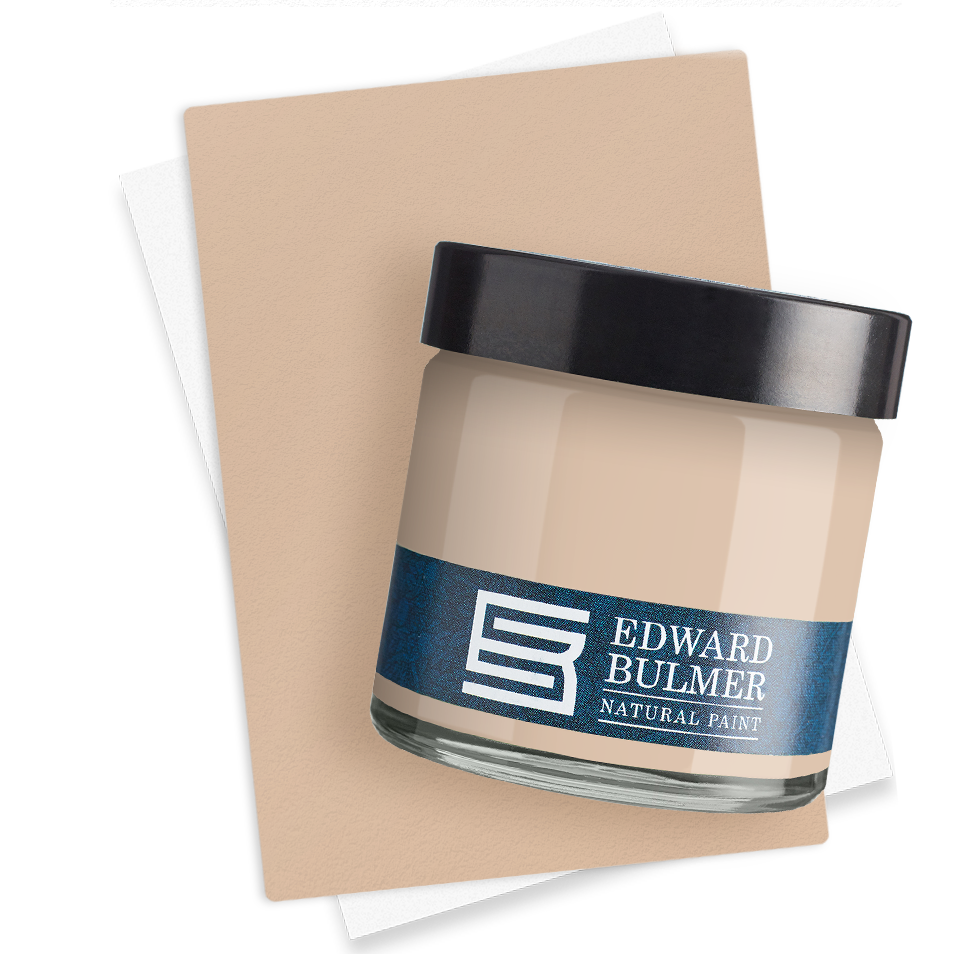
Last month, to celebrate ‘Paint of the Decade’ and as part of our campaign to bring transparency to the paint market and to tell you how our paint is made we launched our pigment of the month. Amazingly Edward has created our collection of over 100 colours from just 12 natural earth and mineral pigments. We thought you would be fascinated to learn about these pigments, their history and which colours they create. This month it’s all about the blues, introducing you to the pigment Prussian Blue. Hallway in Cerullian Blue styled by Oka While blue is said to be the world’s most popular colour it is fair to say that many people also find it cold when used for decorating rooms. We asked the ‘Colour man’ himself, Edward Bulmer, to explain the difference with his range of blues and how to use them. “Our perception of colours is often a strong determinant in our liking, or disliking, of them. These perceptions are sometimes ‘received’ rather than evidenced, but most of us are susceptible to a ‘cold’ blue or a ‘warm’ blue. Using earth pigment alongside mineral blues helps to warm them up as well as reducing their cost, particularly in the days when lapis lazuli was the most reliable blue pigment available. The C18th discovery of Prussian Blue gave us, not only a more cost effective blue, but also a pigment with a warmer tonality. Once mixed with yellow ochre or raw umber it will give beautiful deep aqua shades like our Sea Green or Aquatic, but cooled off with white and black you get Cerullian or Navy Blue. Colours based on this pigment respond particularly well to natural wood floors and oak furniture.” Pigment makes up a maximum of 8% of a well formulated paint and as natural paint makers we are alone in only using natural earth and mineral pigments to create our tonally consistent colour range. At Edward Bulmer Natural Paint, we believe you can see the difference in colours made this way. When you use powdered pigment the light is reflected in many directions; giving you a much more subtle effect than the reflection from single wavelength dyes used in synthetic paints. True to your blues? As well as Sea Green and Aquatic, as you would expect you will find Prussian Blue in many of our other blues; Aerial Tint, Ethereal Blue (above left), Cerullian Blue (top image), French Blue (above right), Navy Blue, new Indigo and Welmish Blue (pictured below). Sea Green Order a Sample Aquatic Order a Sample Ethereal Blue Order a Sample Indigo Order a Sample Welmish Blew Order a Sample Sitting room in Welmish Blew at Brunswick House Can you guess which other colours this beautiful blue pigment is used in? You may be surprised to learn that you will find it in Lavender (below left), Inferior Grey (below right), Laylock and even Brunswick Green Deep. Lavender Order a Sample Inferior Grey Order a Sample Laylock Order a Sample Brunswick Green Deep Order a Sample Don’t miss the March ‘Pigment of the month’ with more colour stories. Why compromise? Painting the future with plastic free paint #nonasties #lovepaint#therevivalofnaturalcolour #paintsmadefromplants Follow us on instagram @eb_naturalpaint and @edward_bulmer
Behind The Chatsworth Collection: 24 Exquisite New Paint Colours Learn the story behind The Chatsworth Collection, a range of 24 new paint colours inspired by the interiors, heritage, and landscapes of one of this country’s most significant country houses.
Discover the new ‘Forever Favourites Collection’ Create a scheme from one room to your whole house with soft colours that work together effortlessly ensuring tonal flow and harmony. Our 12 best loved shades together in one pack. Discover the power of natural paint today.
Colour schemes for north-facing rooms: natural paint ideas for UK homes Deciding how to decorate a North facing room can be a conundrum. The lack of direct sunlight and resulting cooler muted light has earned North facing rooms the unfair reputation of being hard to decorate. But no longer! With helpful advice and inspiration from our colour consultants we can help you embrace North facing spaces.
Nature and storytelling: a pop up with Forivor A pop up championing the whimsical and wonderful. Forivor believe that we need as many creative minds as possible to solve the many problems facing the future of our planet. We chat with Alice and Rebecca on their collections and their belief that children who develop a love for nature and expand their creative minds when they are young will be best placed to be part of a responsible generation, who prioritise the protection and regeneration of our planet.
Edward Reinvents his Smallest Room into a Space Full of Colour and Wonder When Inigo suggested coming to the Herefordshire home of our founder Edward Bulmer we thought we had to come up with something unique and never seen before for them! Edward’s home has been through many transformations, nowhere is this clearer today – perhaps surprisingly – than in the current ground-floor WC.
Small interior updates that make a big impact, using natural paint Refresh your home for the new year with small but impactful decorating ideas using Edward Bulmer Natural Paint, from painting window frames, doors and skirting boards to transforming your space with a coloured ceiling – the often-overlooked fifth wall.