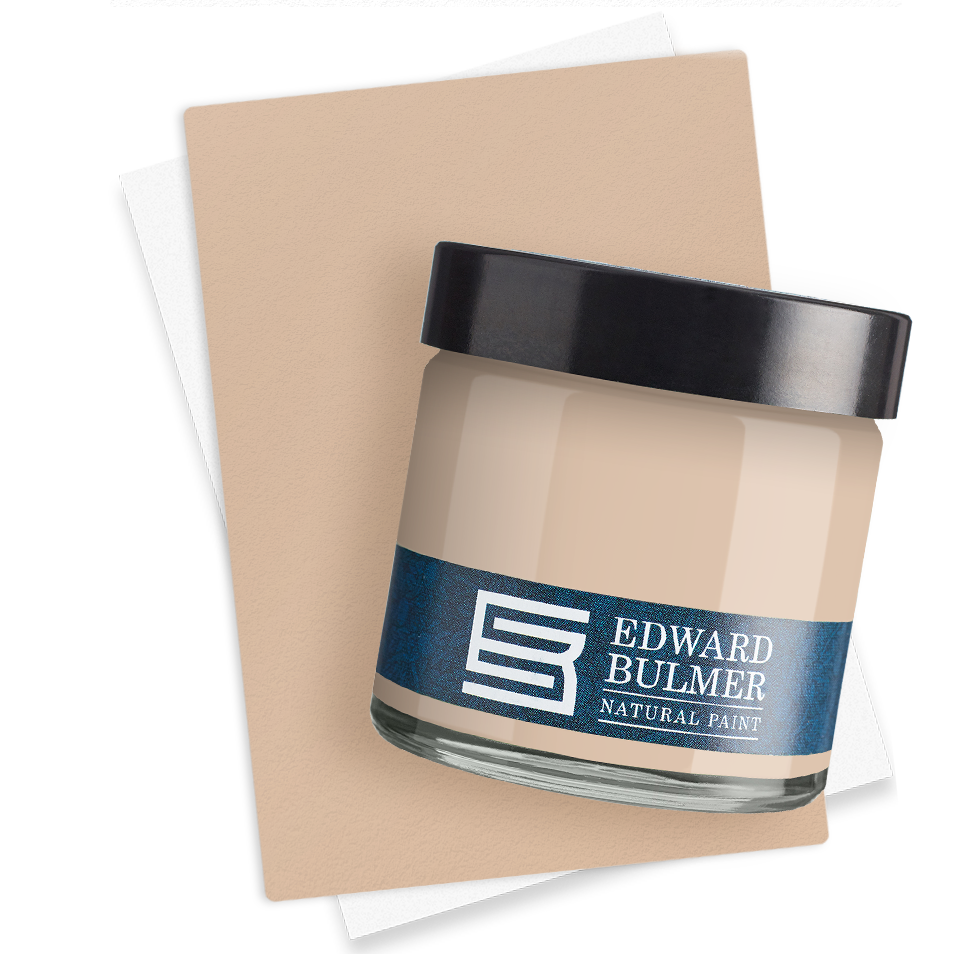
Wall colour sets the tone for everything in a space. From the way light moves through the room to how your furniture and art come to life. Whether you’re curating a calm, minimalist backdrop or making a bold, expressive statement, our natural paint will elevate your entire interior. Beautiful design starts with thoughtful execution. Our helpful flow chart talks you through the painting process, ensuring your finish is clean, smooth, and aligned with your vision. Because in a well-designed room, the walls aren’t just background, they’re part of the story. PRIMERS AND FILLERS Before applying paint, if our flow chart indicates that priming or filling is needed, we recommend choosing our natural primers. They are specially formulated to prepare walls, woodwork and metal for beautiful, long lasting colour. Whether you’re covering bare plaster, sealing stains, or creating a uniform base, these primers support breathability and ensure your topcoat performs at its best. Primers and Fillers Walls, ceiling and woodwork painted in Jonquil. Credit: Soho Lighting Co. Walls in Portland. Credit: Amy Bannerman Jonquil Order a Sample Portland Order a Sample TIPS FOR CREATING A GOOD PAINT FINISH What is cutting in and is it necessary? Cutting in is a painting technique used to create clean, straight lines where two different surfaces meet. For example, where a wall meets a ceiling, window frame, or another wall. Instead of using painter’s tape for every edge, use a brush (usually an angled one) to carefully paint a narrow strip of colour along the edge before using a roller on the larger areas. Use an angled brush to paint around edges and corners where a roller can’t reach. Do this one wall at a time so the brushed areas blend with the rolled sections while wet. What is a wet edge in painting? A wet edge is the area of freshly applied paint that is still wet and workable. When painting large surfaces maintaining a wet edge means overlapping each new stroke of paint slightly onto the still-wet paint beside it. Why is it important? Keeping a wet edge prevents lap marks, the lines or streaks that appear when you paint over an area that’s already started to dry. How to maintain a wet edge: Work in small sections. Don’t jump around the wall randomly. Paint quickly but carefully. Try not to take long breaks mid-wall. Roll in a consistent pattern, such as a “W” or “M” shape, then fill it in. Keep a loaded roller or brush. Avoid painting with a half-dry tool. Always overlap slightly into the previous wet area. Mummy Persian. Photography: Paul Whitbread Mummy Order a Sample Persian Order a Sample APPLY TWO COATS OF PAINT Applying two coats of paint is essential if you want a smooth, even, and long-lasting finish. One coat often won’t give you full coverage. It can leave streaks, patchy areas, or allow the old colour to show through. A second coat ensures the colour looks rich and accurate while also improving the paint’s durability, helping it resist chipping, fading, and stains over time. Once the first coat is complete, let it dry thoroughly. We recommend allowing about 6 hours to ensure it is fully dry. Inspect the wall for any missed spots or thin areas. If there are drips or rough patches, you can lightly sand them with fine-grit sandpaper and then wipe away any dust before applying the second coat. Pea Green. Credit: Max Rollitt Azurite Pea Green Order a Sample Azurite Order a Sample SOME ADDITIONAL TIPS Before committing to a colour, it’s always wise to test a few samples. Colours can shift dramatically depending on natural and artificial lighting, so observe them at different times of day and in different parts of the room to allow you to make a confident choice. Try to paint during daylight hours whenever possible, as natural light gives the truest sense of your colour’s tone and finish. If you’re working in a low-light space, be mindful of how warm or cool your artificial lighting might affect the final look. If you need help with picking colours, or just general advice, our helpful team are keen to hear from you. Sample Pots & Testers Sampling sample pots QUICK LINKS TO TECHNICAL SHEETS Natural Emulsion Technical Sheet Plaster Primer Technical Sheet Natural Wall Filler Technical Sheet Grip Coat Technical Sheet
Behind The Chatsworth Collection: 24 Exquisite New Paint Colours Learn the story behind The Chatsworth Collection, a range of 24 new paint colours inspired by the interiors, heritage, and landscapes of one of this country’s most significant country houses.
Discover the new ‘Forever Favourites Collection’ Create a scheme from one room to your whole house with soft colours that work together effortlessly ensuring tonal flow and harmony. Our 12 best loved shades together in one pack. Discover the power of natural paint today.
Edward Reinvents his Smallest Room into a Space Full of Colour and Wonder When Inigo suggested coming to the Herefordshire home of our founder Edward Bulmer we thought we had to come up with something unique and never seen before for them! Edward’s home has been through many transformations, nowhere is this clearer today – perhaps surprisingly – than in the current ground-floor WC.
Small interior updates that make a big impact, using natural paint Refresh your home for the new year with small but impactful decorating ideas using Edward Bulmer Natural Paint, from painting window frames, doors and skirting boards to transforming your space with a coloured ceiling – the often-overlooked fifth wall.
Through the keyhole – House & Garden Festival 2018 Our decorated space at this year’s House & Garden Festival was all about collaboration. Edward’s idea for the decorated space was to link old and new, at the physical juxtaposition between the Interiors Art & Antiques Fair and the House & Garden Festival.
Constance Spry and The Fashion for Flowers This summer the Garden Museum will be celebrating the doyenne of flowers, the 20th century’s most influential floral decorator, Constance Spry. Guest curated by floral designer and writer Shane Connolly, this new exhibition will explore Spry’s exceptional life, achievements and legacy, with exclusive access to her archive at the RHS Lindley Library.