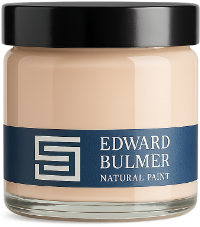
When decorating a period property, choosing the right paint is about more than finding a beautiful colour. The materials used in older buildings often behave differently from those found in modern homes, particularly when it comes to managing moisture. From Georgian townhouses to stone cottages and timber-framed buildings, many historic properties were constructed using traditional materials such as lime plaster, lime mortar, soft brick and stone. Understanding how these materials work is essential when choosing appropriate decorative finishes. This is where breathable paint can make an important difference. Dutch Orange dining room at Oakley Park. Photography: Paul Whitbread What is breathable paint? Breathable paint allows water vapour to pass through the painted surface, helping moisture within the underlying material to evaporate. This property is known as vapour permeability and is particularly important for walls finished with traditional lime plaster or other porous materials. Unlike some modern building systems, which rely on barriers to control moisture, many older buildings were designed to manage moisture through absorption and evaporation. Choosing a suitably breathable finish can help these materials continue to perform as intended. Lute hallway by Carlos Garcia. Photography: Christopher Horwood Nicaragua bathroom by Carlos Garcia. Photography: Paul Massey Quaker bedroom by Carlos Garcia Why does breathable paint matter in period properties? Traditional building materials are often more porous than their modern equivalents. Lime plaster, for example, allows moisture vapour to move through the surface, helping the wall dry out when conditions permit. If a coating significantly restricts this movement, moisture may take longer to escape. In some circumstances, this can contribute to problems such as peeling paint, blistering or deterioration of the underlying plaster. For historic buildings, the compatibility of paint with the existing surface is therefore particularly important. Breathable paint can support the way traditional materials manage moisture, although it is not a substitute for identifying and resolving the causes of damp. What is the best paint for lime plaster? Fresh and historic lime plaster require particular care when decorating. Traditional finishes such as limewash and distemper have long been used on lime-based surfaces because of their compatibility with porous building materials. Certain modern breathable paints may also be suitable, depending on their formulation, the condition of the plaster and the manufacturer’s application guidance. Before painting, ensure the plaster is sufficiently dry and properly prepared. The appropriate waiting period and preparation will depend on the plaster and paint system being used. For more detailed advice, read our guide to how to paint lime plaster. Evie bedroom by @quineandlooncottage Lilac Pink living room by OLPOL CO. Photography: Paul Whitbread Olympian Green living room by Strawtop Cottages Choosing natural paint for historic interiors At Edward Bulmer Natural Paint, our approach to decorating historic buildings is informed by an understanding of traditional materials and how they perform. Our paints combine plant-based binders with carefully selected earth and mineral pigments, offering a natural alternative to conventional petrochemical plastic-based formulations. When decorating a period property, it’s important to choose a finish suited to the existing surface and its moisture requirements. Our team can advise on the appropriate products and preparation for your project. Our collaboration with Chatsworth House reflects this approach, bringing together Edward’s understanding of historic interiors with a collection of 24 colours inspired by the house and its collections. Burntwood at Chatsworth. Photography: Anna Batchelor Burlington living room at Chatsworth. Photography: Anna Batchelor Bedroom painted in Once a Week from the Chatsworth Collection How to choose the right paint for your period property Before decorating, consider the age of the building, the type of plaster or masonry, any existing coatings and whether there are signs of damp. For older properties, it can be helpful to establish whether previous decorative finishes are compatible with the underlying materials, particularly where lime plaster is involved. Choosing an appropriate paint system, preparing the surface correctly and addressing any existing moisture problems will help protect the building while achieving a beautiful finish. If you’re unsure where to begin, our Colour Consultants can help with colour selection, while our team can advise on suitable paint finishes for your surfaces.
Court of Noke: Edward Bulmer’s historic Herefordshire home Step inside Court of Noke, Edward and Emma Bulmer’s Herefordshire home, and discover how more than 30 years of restoration, colour and considered decoration have shaped the house we see today.
Behind the Chatsworth Collection: 24 exquisite new paint colours Learn the story behind The Chatsworth Collection, a range of 24 new paint colours inspired by the interiors, heritage, and landscapes of one of this country’s most significant country houses.
How to use brown paint shades in interior design With the ability to exude charm and elegance, browns are not only extremely versatile, but match ever so chic-ly to a whole host of design styles, textiles and periods of home. From regency to retro, the colour brown has the ability to ground a space, but also provide that smooth backdrop that can accentuate so many other aspects to your room design.
Verdigris: the history of a remarkable green and how to use it From historic country houses to colourful kitchens, discover how designers use Verdigris and which colours pair beautifully with this distinctive green.
The Seven Best Hallway Paint Colours Read our advice on how to create a welcoming and harmonious hallway. Here we take a look at seven ways you can transform your space with natural colour and make an impact on entrance.
How to create a cohesive colour scheme throughout your home Learn how to create a cohesive colour scheme throughout your home, choosing paint colours that respond to natural light, architecture and the way each room connects.