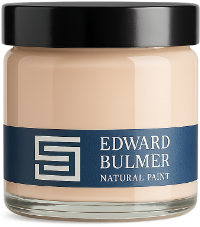
Some colours are difficult to define, and that’s part of their appeal. Jonquil is one of them. Sitting somewhere between pink, yellow and beige, this much-loved shade has the softness of traditional plaster with just enough warmth to make it wonderfully versatile. One of our best-selling colours, Jonquil works beautifully in both period properties and contemporary homes, from sitting rooms and bedrooms to kitchens and bathrooms. Jonquil living room at Langdon Court. Photography: Nico Wills What colour is Jonquil? Jonquil is a warm, yellow-based pink, often described as a plaster pink. Unlike cooler or more sugary pinks, its yellow undertones give it an earthy quality that makes it particularly easy to decorate with. The colour takes its name from an 18th-century shade made using Dutch Pink, which, despite its name, was actually a yellow pigment. Today, Jonquil’s resemblance to traditional gypsum plaster makes it a natural choice for anyone drawn to soft, warm neutrals with a little more colour than conventional beige. Jonquil kitchen with Pompadour cabinets at Court of Noke Why choose plaster pink for your home? Plaster pink has become a popular choice for interiors because it offers a subtle way to introduce colour without overwhelming a space. Jonquil is particularly adaptable. In brighter rooms, its pink and yellow tones can feel fresh and inviting, while softer lighting can bring out its warmer, earthier qualities. It also provides a beautiful backdrop to natural materials, antique furniture, artwork and patterned textiles, making it equally suited to traditional and contemporary schemes. Jonquil hallway by Build Nine. Photography: Lucy Butler Walters How to decorate with Jonquil Jonquil in living rooms Jonquil is a lovely choice for sitting rooms, where its warm undertones create an inviting backdrop for furniture, artwork and textiles. It works particularly well alongside natural timber, linen, aged brass and richer accent colours, allowing you to build a scheme around both traditional and contemporary pieces. Jonquil living room by Anna Hewitson Jonquil living room by Westcot House & House of Kit. Photography: Michael Branthwaite Jonquil living room by Amy Eld. Photography: Cathy Pyle Jonquil in bedrooms For bedrooms, Jonquil offers a softer alternative to conventional pink. Its subtle yellow undertones keep the colour from feeling overly sweet, while its plaster-like appearance pairs beautifully with natural linens, painted furniture and warm neutrals. For a more enveloping scheme, consider carrying the colour across walls and woodwork. Jonquil bedroom by @townley_terrace Jonquil bedroom by Westcot House & House of Kit. Photography: Michael Branthwaite Jonquil bedroom by @townley_terrace Jonquil in kitchens and bathrooms Jonquil is equally at home in kitchens and bathrooms, where its warmth complements stone, marble, timber and traditional fittings. It can be used on walls to soften a room with white cabinetry or sanitaryware, or combined with contrasting colours on joinery for a more individual scheme. Jonquil kitchen with Granite Green woodwork by the Vaults at Stow Jonquil bathroom by Carlos Garcia Jonquil 40% kitchen by @holly_homestyle Explore Jonquil in different strengths One of the most useful things about Jonquil is that it’s available in four strengths as part of our Shade Collection, allowing you to choose the intensity that best suits your room. Jonquil 100%: The original colour, with its full balance of warm pink and yellow undertones. Jonquil 60%: A lighter interpretation that retains the character of the original. Jonquil 40%: A softer, more subtle option for walls and larger spaces. Jonquil 20%: The palest version, ideal for introducing just a hint of colour. These variations also make it possible to create a tonal scheme, combining different strengths across walls, ceilings and woodwork. Jonquil (100%) Order a Sample Jonquil (60%) Order a Sample Jonquil (40%) Order a Sample Jonquil (20%) Order a Sample What colours go with Jonquil? Jonquil’s balance of pink, yellow and beige makes it particularly versatile when choosing complementary colours. Warm whites create a gentle contrast, while earthy browns, muted greens and deeper reds can introduce a stronger sense of colour. For a more subtle approach, pairing Jonquil with different strengths of the same shade allows you to create variation without introducing an entirely new colour. As with any paint colour, we recommend trying samples in your own space before making a final decision. Natural and artificial light can change how a shade appears throughout the day. Explore Jonquil and its available strengths, or discover more inspiration in our guide to decorating with pink.
Court of Noke: Edward Bulmer’s historic Herefordshire home Step inside Court of Noke, Edward and Emma Bulmer’s Herefordshire home, and discover how more than 30 years of restoration, colour and considered decoration have shaped the house we see today.
Behind the Chatsworth Collection: 24 exquisite new paint colours Learn the story behind The Chatsworth Collection, a range of 24 new paint colours inspired by the interiors, heritage, and landscapes of one of this country’s most significant country houses.
Design Havens for Heroes: a living room transformation in Welmish Blew Discover how Edward Bulmer Natural Paint joined Design Havens for Heroes to transform NHS midwife Vanessa’s living room with Welmish Blew.
Eco-friendly paint: what should you really look for? Not all eco-friendly paints are made alike. From plant-based binders and natural pigments to VOCs and packaging, we explore what really matters when choosing paint for your home.
Our Precious Earth Palette: Edward Bulmer x Soil Association Discover twelve colours inspired by the changing seasons, created in partnership with the Soil Association to celebrate its 80th anniversary.
Earthy paint colours: how to decorate with natural tones From rich terracotta and rusty reds to olive greens, chocolate browns and stony neutrals, explore the enduring appeal of earthy paint colours and discover how to use them throughout your home.